Conker Strings Compared: Shoelaces, Paracord and Bootlaces
Every regular conker player has a story about a string. A lace that gave at the wrong moment and turned a clean strike into a polite tap. A paracord loop that sawed into a knuckle on the follow-through. A knot that crept loose just as the swing reached full speed. The conker gets the glory — the game is named after it — but the string sits between your hand and the nut, and it decides how much of your swing actually arrives at the target. Shoelaces, bootlaces and paracord are the three most common choices, and they behave very differently.
What the string is actually doing
A conker string has three jobs at once. It has to hold the conker securely, transfer energy from your wrist and forearm into the nut, and keep the whole assembly off your fingers. Those jobs pull against each other. Cord that is gentle on your hand tends to be thicker and flatter. Cord that is brutally strong tends to be thin and slick.
Two other variables matter as much as material: length and grip. A short string spins fast and keeps the conker close, which suits defensive play. A long string gives you reach and a bigger arc, which adds speed at the conker but costs accuracy — and raises the odds of a wild swing clipping your own leg.
Shoelaces: the familiar default
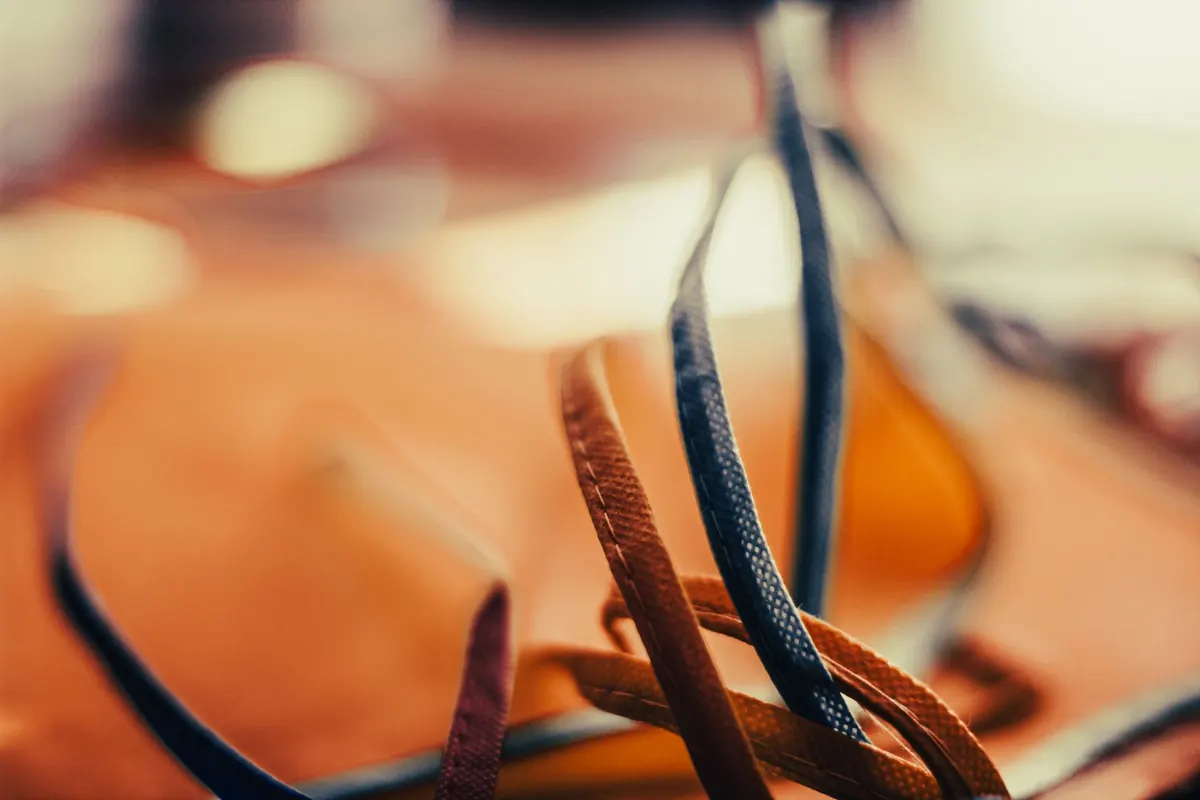
A spare flat lace is what most people reach for, and it is a reasonable starting point. Flat cotton and cotton-poly laces spread the load across your fingers, so you can grip hard without the string cutting in. They come in workable lengths, usually somewhere between 45cm and 120cm, and they take a knot well if the weave isn't too slick.
Two weaknesses show up quickly. First, laces stretch. Not dramatically, but enough that a hard swing with a heavy conker can leave the string lagging a fraction behind your hand, then snapping forward and shifting your timing. Second, laces wear. The section that once ran through a shoe eyelet may already be thin, and a small fray can turn into a break. Cut ends fray too; a brief pass with a flame will melt a synthetic end and stop it unravelling, but keep it away from your fingers and let it cool.
Best use: casual games, beginners, and anyone who wants a soft, forgiving grip. Fine for a mid-weight conker.
Bootlaces: thicker, longer, more grip
Bootlaces are the sensible upgrade. They are typically 120cm to 180cm, thicker, and built to take abrasion, since they spend their lives grinding against metal eyelets and hooks. That toughness translates directly to conkers: they resist fraying, they hold knots, and the extra length lets you wrap a couple of turns around your hand for a locked-in grip.
Watch out for two variants. Waxed laces are wonderfully tough but slick; a single overhand knot will slide, so use a double knot and pull it tight. Elastic or part-elastic laces store energy, which sounds helpful and isn't — the conker lags on the way up and whips unpredictably on the way down. Plain, slightly stiff bootlaces without an elastic core are the pick.
Best use: regular play, heavier conkers, and anyone who swings hard.
Paracord: maximum strength, minimum give
Paracord is rated in the hundreds of pounds and will not break under anything a conker can generate. At conker-size loads it behaves as essentially inelastic, so the energy you put in arrives at the conker without lag. That makes timing simple and repeatable.
The trade-offs are in your hand and in your knots. Paracord is thin and round, so a hard swing concentrates pressure on a narrow strip of finger. Its sheath is slick, and it can slide over the inner core, which means a poorly tied knot can creep or a cut end can fray while the core quietly holds on. Use a doubled or figure-eight knot rather than a single overhand.
Best use: players who want consistent timing and don't mind a firm grip — or who wrap the string around a finger for extra purchase.
Head-to-head
The short version
- Stretch, most to least: elastic laces, cotton-poly shoelaces, waxed bootlaces, plain bootlaces, paracord.
- Grip on the hand: flat shoelaces and flat bootlaces are kindest. Paracord digs in during hard swings.
- Knot security: bootlaces and cotton laces hold best. Slick polyester and paracord need a double knot.
- Break risk: the string is rarely the weak link. Frayed lace sections, a slipping knot and the drilled hole in the conker are the usual failure points.
- Effect on swing: stretchy string adds lag and unpredictability; stiff string gives a crisp, repeatable strike. A longer string adds speed and loses accuracy; a shorter one does the opposite.
Setting it up properly
Material matters less than how you attach it. A tidy setup beats a fancy cord every time.
- Bore a clean hole straight through the centre of the conker. A ragged hole saws at the string.
- Thread the string through and tie a solid knot below the conker — a figure-eight or double overhand, pulled tight.
- Check the conker sits snug against the knot with no slack loop that can spin on its own.
- Wrap the other end around your hand two or three times, so no single finger takes all the strain.
- Measure before you swing: the conker should hang at roughly knee to mid-shin height with your arm relaxed.
- Test with a few gentle swings against a post or a bag before a match. Retie anything that creeps.
Match the string to your game
If you play casually and value comfort, a flat shoelace is fine — just swap it at the first sign of fraying. If you play often or swing hard, a plain bootlace gives you the best mix of grip, toughness and length. If you are chasing consistent, repeatable timing, paracord removes the stretch variable at the cost of a firmer feel on your fingers.
Whichever you pick, carry a spare and check it before each session. Keep the swing below shoulder height and away from faces: a conker on a taut string can do real damage to an eye, and no choice of string changes that.
Photo: Steve A Johnson / Pexels