How Conker Tournaments Are Scored: Ties, Sudden Death and Disputes
A conker match can turn on a single swing, so the rules wrapped around that swing matter as much as the swing itself. Most arguments at a local knockout don't begin with someone cheating. They begin because nobody wrote down what happens when both conkers are still hanging, the light is fading, and the next round is waiting.
Scoring comes down to three things: how a match is won, how a tie is broken, and who has the final word when a strike is contested. None of it is complicated. All of it has to be settled before play starts, not in the middle of a disputed swing.
How a Conker Match Is Scored
Friendly play keeps score in "ers" — one er for every conker you destroy, plus the tally of the conker you beat. That's a career total, and it's excellent for bragging rights in a back garden. It is not a match score.
In a tournament, keep two records and don't confuse them. The match result is simply who is standing at the end. You win a leg when your opponent's conker breaks, when they commit a foul, or when their lace parts and the conker drops. The er count is a separate statistic, useful for group tables and tie-breaks.
Set the exchange clearly. The usual arrangement: one player strikes while the other holds, and the striker gets a fixed number of swings — often three — before the roles swap. The referee counts aloud, and a swing that misses still counts as a swing.
A match card should carry more than a winner's name. Note the reason the leg ended — conker broken, lace broken, foul, forfeit — because that note is what settles things later, when two players finish a group on the same number of wins.
Formats You'll Meet in a Bracket
- Round robin groups. Everyone plays everyone in a small group, points for a win, then standings. Slower, but forgiving of one bad swing.
- Straight knockout. Lose once and you're out. Quick and dramatic, and hard on the player whose lace snaps in the first minute.
- Best of three or five. Each leg is a fresh conker, and the match goes to the first player to win two or three legs. This reduces luck without dragging the day out.
- Timed rounds. With a big entry, matches run to a clock. When time expires, the referee applies the tie-break order — so that order has to exist before the first match, not after it.
Mixed formats work well at club level: morning groups, afternoon knockout. Whatever you choose, print it and pin it to the registration table. Players forgive a harsh format. They rarely forgive one they only learn about while standing on the court.
Ties: Agree the Countback Order First
Leaving a tie to a coin toss is a last resort, not a plan. A countback order gives officials a ladder to climb, and it should be public. A workable one, in order:
- Head-to-head result, if the tied players met.
- Fewest legs lost across the group or match.
- Conkers broken — the er differential.
- Fewest fouls or warnings.
- Fewest swings used to win.
- A replay, or a single-leg play-off if there's time and light.
- A coin toss, held in front of both players.
Note where the coin toss sits. It's there so nobody has to invent a rule at seven in the evening. A tie inside a single match is a different problem, and that's where sudden death earns its place.
Sudden Death, Without the Arguing
Sudden death solves one specific problem: a match that will not end. Announce it before the tournament begins. Never spring it on two tired players mid-leg.
The swing-off
Both players get one set of swings each, alternating. The first conker to break wins. If a full round passes with both conkers intact, the referee moves to the countback order — or runs a second swing-off if the schedule can take it.
Break-or-lose
Players alternate single swings. A clean strike that breaks a conker ends it. A miss costs the turn and nothing more. This version is quick and brutal, and it rewards a steady hand over a hard one.
Two situations catch officials out. The first is a double break: both conkers shatter in the same exchange. Treat that leg as void and replay it with fresh conkers, unless your rules say otherwise. The second is equipment failure. If a lace snaps, the leg is normally lost, even when the conker is perfectly intact. Some clubs allow one re-lace per match as a courtesy. Decide which club you are before the entry money is taken.
Disputes: The Calls That Cause the Most Trouble
- The flinch. The holding player moves the conker as it's struck. A target should hang still; a moving target is a foul.
- The stamp. A fallen conker meeting a shoe. Deliberate stamping is a foul in most house rules; accidental contact as the conker drops usually isn't.
- The lace break. A snapped lace or a conker slipping its knot loses the leg, however well the conker was playing.
- The miss. An air swing still counts. Referees should call "no contact" out loud so nobody has to argue about it afterwards.
- The loaded conker. Baked, varnished or otherwise hardened conkers are barred at most tournaments, and referees can inspect a conker before play.
When a shout goes up, stop the game. Both players take their hands off the laces. The referee decides once, and that decision stands for the rest of the day — reopening it after the match only rewards the loudest voice. Write a line on the match card: what happened, who called it, what was decided. If the dispute is about conduct rather than a swing, hand it to the tournament officer after the match instead of settling it on the court.
A Short Checklist Before the First Swing
For organisers: post the format, the countback order and the sudden-death rule where players register. Put one referee on each court and one floating official for disputes. Keep a clock, a stack of match cards with a "reason ended" box, and a bag of spare laces.
For players: read the rules before you tie your lace. Ask the referee what happens if your lace breaks, whether a miss counts, and how a tie gets broken. Then put the questions away and play the swing in front of you.
The best conker rules are dull: short, written, and agreed before anyone swings. That leaves the drama where it belongs — in the strike.
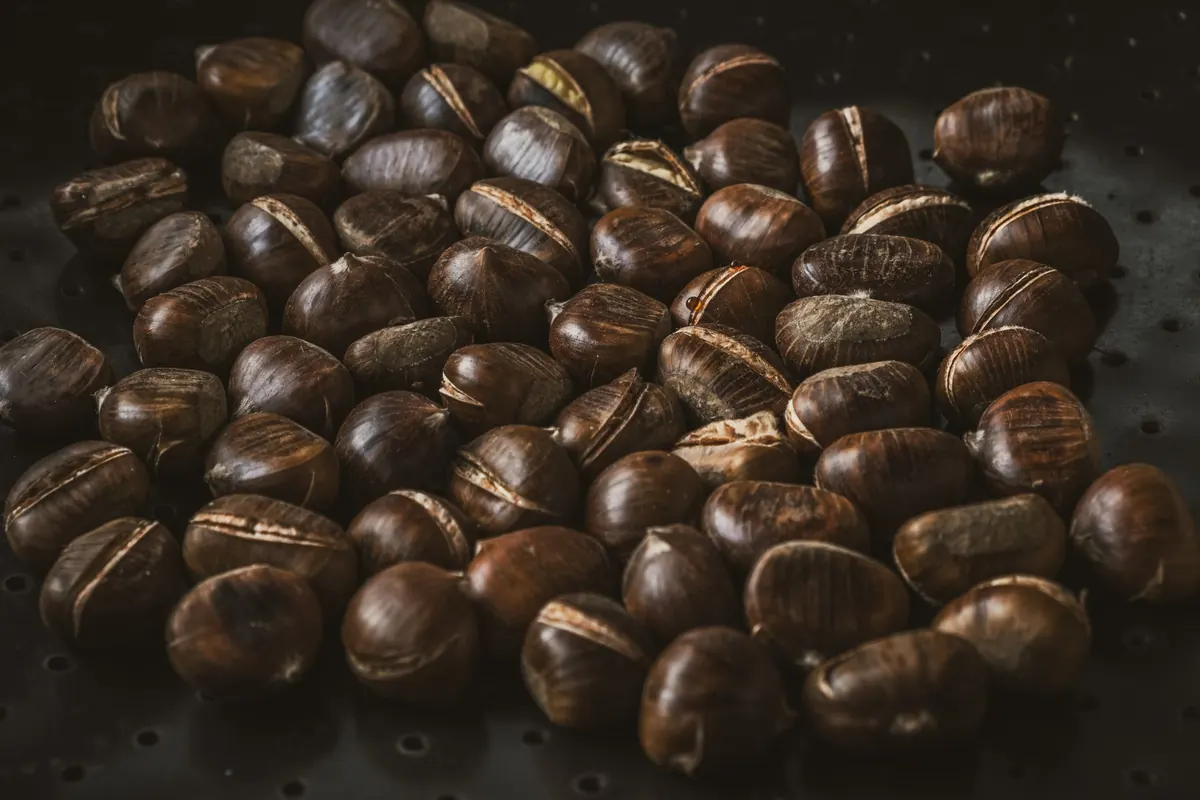
Photo: Engin Akyurt / Pexels