Conker Rules for Kids: Safety, Fair Play and Schoolyard Variations
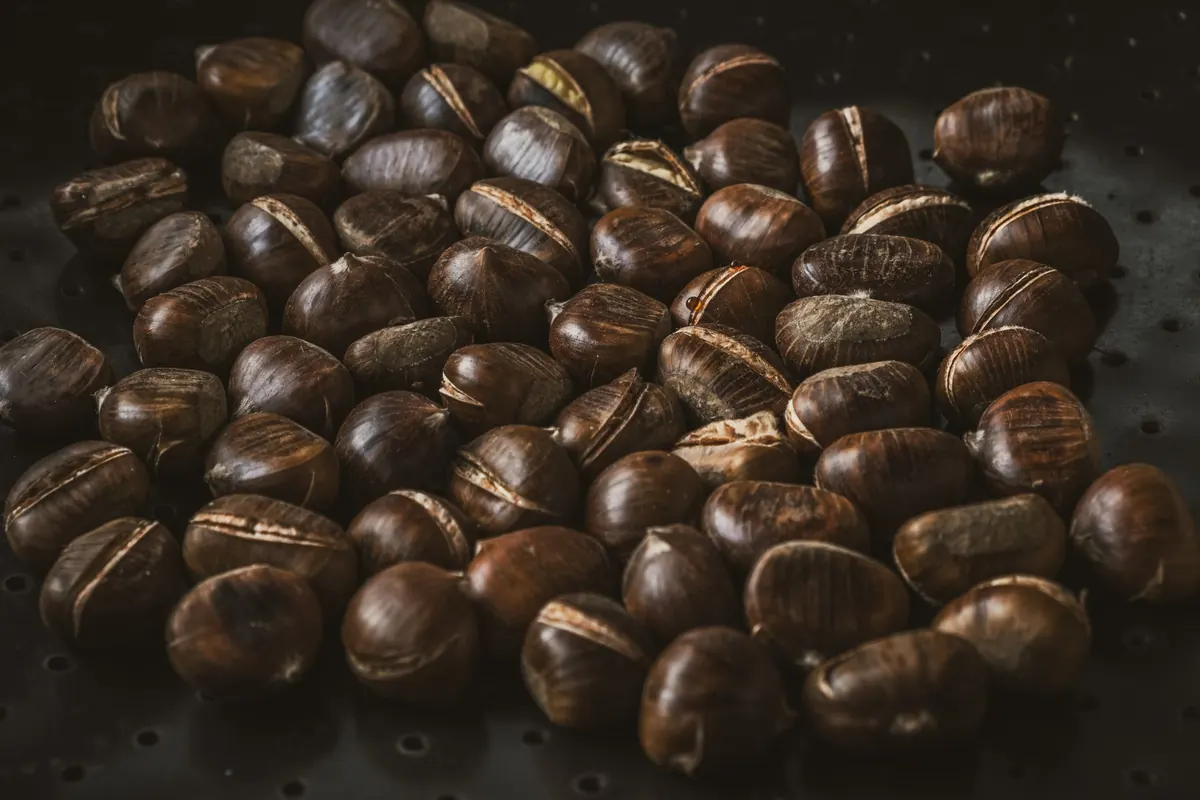
Conkers is one of the last great playground games: no batteries, no screens, no cost. All you need is a horse chestnut, a piece of string and somebody brave enough to hold their hand still while you swing. The trouble is that the "official" rules grown-ups quote have never quite matched the version played behind the bike sheds. So here are the rules as children actually play them, tidied up, made safer, and explained in a way that a seven-year-old can follow and an eleven-year-old will still respect.
Read this together before you start. Five minutes of agreeing the rules saves an afternoon of arguing about who cheated.
The Basic Game in Four Steps
Everything else is decoration. Get these four steps right and you have a game.
- Thread your conker. An adult makes a hole through the middle with a hand drill or a strong skewer. Push the string through and tie a firm knot underneath so the conker hangs without slipping. Tie a second knot at the top end to stop the string sliding through your fingers.
- Take your stance. One player dangles their conker at about chest height, holding the string wrapped twice around two fingers and keeping the arm still. The other player stands to the side, not face to face.
- Take turns. The striker swings downwards at the hanging conker. One swing, then swap. Keep going until a conker breaks or comes off its string.
- Count the score. A plain conker that beats another plain conker becomes a "one-er". Beat a three-er with your one-er and yours becomes a four-er. Agree this before you start — some groups count every win, some only count real breakages.
The Rules That Keep the Game Fair
Most playground fights are not about who won. They are about a rule nobody mentioned until it suited them. Settle these first:
- String length: around the length of your forearm. Short strings make the game too fast and too sore.
- No shoes, no gloves. Adding weight to the swing or a shoe to stamp with is cheating, and both make the game harder on fingers.
- No soaking, baking or varnishing. A conker hardened in the oven goes brittle, and one soaked in vinegar smells dreadful and stings if it flicks into an eye. Play them as they fall.
- No skewers. A nail or skewer left inside the conker turns it into a weapon. It also cracks other players' conkers unfairly.
- Keep the string still. The player holding the target does not twitch, pull or jerk it away mid-swing.
- A miss is a turn. Swing and hit nothing, and the other player takes over.
- If your conker drops, your opponent may stamp it once. If that feels too harsh, agree "no stamps" and simply re-thread it. Both rules are fine; only the surprise version is not.
- Shake hands at the end. Losers keep their conker. Nobody snaps anybody else's string on purpose.
Safety First: Keeping Little Knuckles Happy
Conkers is a swinging game with string and knuckles involved, so a bit of care goes a long way. None of this spoils the fun.
Before you swing
- Check the string for fraying. Replace anything that looks worn — a snap mid-swing sends the conker flying.
- Clear the area. Push bags and coats out of the way and send younger siblings and dogs to the side.
- Stand at least an arm's length from the person holding the conker, and slightly to the side so nobody's face is in the swing path.
During the game
- Swing downwards, never sideways or upwards. Downward swings land on the conker; sideways swings land on hands.
- Keep your free hand behind your back, well clear of your own swing.
- Aim at the conker, not the string and never the holder's fingers. If you hit a hand, stop and apologise before carrying on.
One more thing: horse chestnuts are not food. They taste horrible and can make you ill, so no putting them in mouths, and everyone washes their hands afterwards. If a child has a reaction to the sap or the dust, stop and speak to a pharmacist or doctor.
Making It Easier for Younger Players
Five- and six-year-olds usually lack the timing for a full dangle-and-swing, and they get upset when their first conker shatters. Try this gentler version instead.
- Rest the target conker on a low wall, a bench or a tree stump, with the string held loosely by the owner.
- The striker stands close and taps downwards, gently, five times.
- Count the taps as hits. Whoever lands the most hits out of five wins the round.
- Swap over. Keep a spare conker in each pocket so nobody goes home empty-handed.
This version teaches aim, control and turn-taking without the sting of a hard strike. Children naturally graduate to the hanging version once their swings start landing where they look.
Schoolyard Variations Worth Trying
Once the basic game is understood, these keep a wet lunchtime interesting.
Winner stays on
A queue forms. Whoever wins stays in the middle and takes on the next challenger. Three wins and you retire undefeated — a small rule that stops one player dominating the whole break.
Two-conker (double-handed)
Each player holds a conker in each hand and the pair play both at once. Chaotic, hilarious, and surprisingly good for hand-eye coordination. Best played outside.
Circle conkers
Draw a chalk circle. Both players must keep their feet inside it. Miss the conker twice and you lose your place. It rewards control over brute force.
Numbers game
Hang a target conker from a branch and take turns aiming at it. Ten swings each, one point per clean hit. Ideal for a mixed-age group, since power matters far less than accuracy.
Team conkers
Two teams of three, relay style. Each player gets one swing before passing the conker on. The first team to break the opposing conker wins. It turns a two-player duel into something a whole class can join.
Before You Play: A Two-Minute Checklist
Thread the conkers and check the knots. Agree the string length, whether stamps are allowed and whether score inherits. Pick a spot away from windows, doorways and anyone eating lunch. Check the strings again. Then play, take turns without nagging, and shake hands at the end whatever happens.
That is the whole game. Keep the rules simple, keep the group kind, and the conkers do the rest.
Photo: ThanhTN / Pixabay