Conker Fouls and Mistakes: What Gets You Disqualified
Conkers is a simple game right up until someone starts winning. Then the vinegar appears, the oven goes on, and a friendly knock turns into a rules dispute. Most disqualifications don't come from bad luck or heavy hitting. They come from a short list of things players try when they want an edge, plus a few honest mistakes that are easy to sidestep once you know they exist.
What counts as a foul shifts slightly depending on who is running the game. A playground, a pub tournament and a championship all enforce different details. The principles stay consistent, though: no artificial hardening, no damaging another player's conker outside a fair strike, no second chances, and no moving your target out of the way. Learn those four and you will avoid most trouble.
Illegal Hardening: The Foul That Ends Tournaments
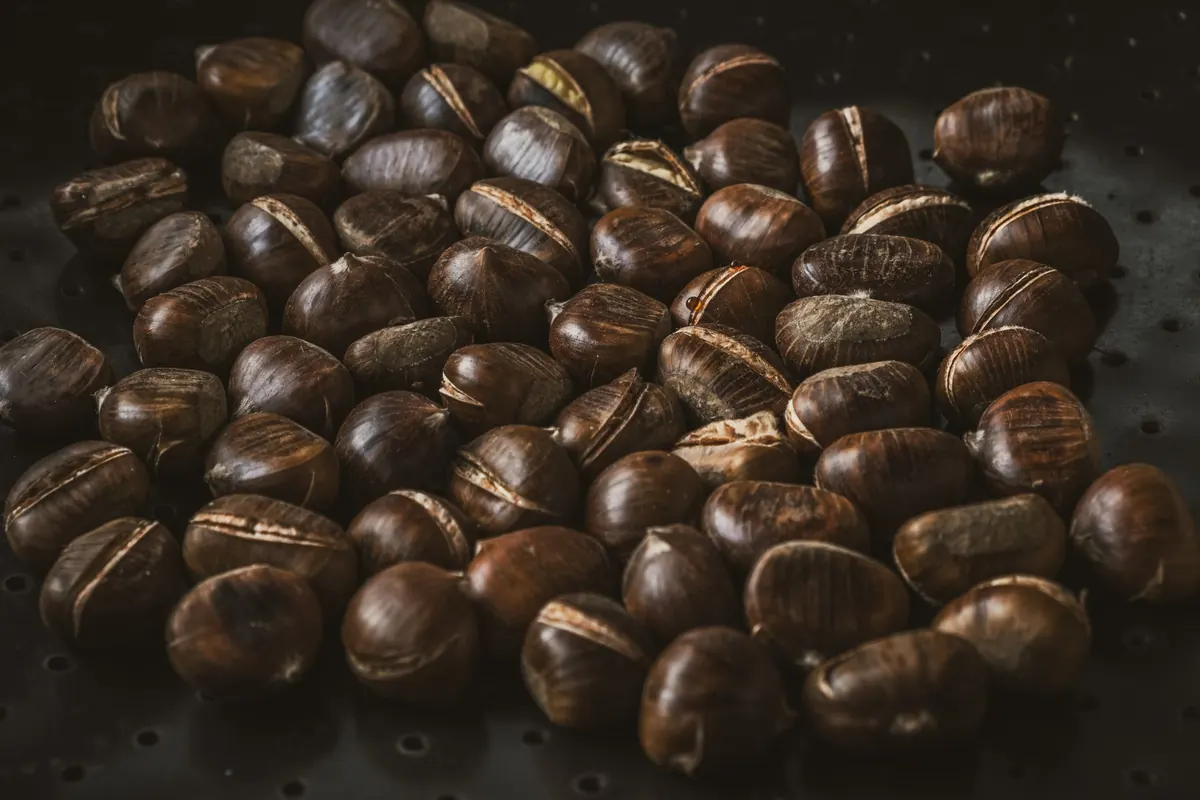
Every conker player has heard the rumours. Bake it for twenty minutes. Soak it in vinegar overnight. Paint it with clear varnish. Freeze it, soak it in oil, drill out the middle and fill it with glue. All of these are cheating in almost every organised ruleset, and most are easy for an experienced referee to spot. A baked conker feels unnaturally light and often has a faint sheen. A varnished one smells of varnish. A drilled conker rattles or sits heavy in the hand for its size.
Rules differ on preparation. Some competitions insist on a conker straight from the shell with nothing done to it. Others accept one that has simply been left to dry and harden naturally, which is what a good conker does on its own over a few weeks. A few tolerate soaking in vinegar as a traditional treatment. Ask which applies before your first match, and if you are organising a game yourself, agree on it out loud before anyone swings.
Conkers must be fresh, natural and unmodified. Anything baked, soaked, varnished, drilled or frozen is out.
Playing a tampered conker usually means forfeiting the match. Producing one in front of a referee can mean removal from the whole event.
Stamping, Treading and the Fallen Conker
Stamping is the foul with the shortest fuse. When a conker hits the ground — because a string slipped, because the striker missed, or because a shell cracked — nobody treads on it. Not the striker, not the receiver, not a helpful bystander. Grinding a conker into the tarmac with a heel is obvious cheating. A casual step as you "walk past" is the same offence with a worse excuse. Kicking a fallen conker into the bushes, or standing on your own to soften the shell before a hard match, counts too.
If a conker breaks in play, it broke in play, and that is the end of it. If it falls intact, its owner picks it up and the game continues. A deliberate stamp is normally an immediate forfeit of the game.
Re-Hitting and the Extra Swing
Each player gets one swing per turn. Miss, and your turn is over. The most common accidental foul in the game is the frustrated second swing at the same conker — it is still a foul, and referees have seen it a thousand times.
Watch for these related breaches:
- Swinging before the call. Hitting while your opponent is still settling their string or stepping back.
- Double-tap follow-through. If the follow-through connects again as one continuous motion, most rulesets count it as a single strike. Deliberately pulling back and swinging again is not.
- Swinging during the re-wind. Going while your opponent is sorting out a tangled string, or while a fallen conker is being retrieved.
- Striking the hand. You aim at the conker. Catching knuckles is usually treated as a foul or a void strike, not a free hit.
- Releasing the string. Letting go mid-swing so your conker flies into theirs is a foul, not a clever tactic.
Flinching, Holding and String Offences
Pulling your conker away as the striker swings is the most human foul of all, because it is a reflex. So is rotating your wrist or curling your fingers around the conker at the last moment so it cannot move. Both deny your opponent a fair strike. Expect a warning first, then loss of turn, then forfeit if it keeps happening. The fix is dull but effective: hold your arm out, keep the string slack, and practise standing still while someone swings past you.
String offences are quieter but just as real. A conker must dangle freely, so wrapping the string around your fingers, cupping the conker in your palm, or dropping your hand below the agreed height all count against you. So does shortening the string mid-match, switching to wire or fishing line, or letting the string go deliberately slack to kill the swing. Sort out string length before the first strike and leave it alone.
Swapping Conkers and Sideline Interference
If your ruleset allows a replacement conker after a break, declare it clearly before it comes out of your pocket. Quietly swapping in a fresh one mid-match, or borrowing a conker that has already won elsewhere, is treated as deception rather than bad luck. The same goes for a friend on the sideline touching your conker, adjusting your string, or shouting advice mid-swing. Interference from the crowd is still interference, and a referee can penalise the player it benefits.
How Penalties Are Applied
Most games escalate rather than jumping straight to expulsion. A typical ladder looks like this:
- A warning. Used for first slips where nobody gained an advantage — a flinch, a premature swing.
- Loss of turn. Your swing is forfeited and your opponent steps up. Common for repeated flinching or stalling.
- Loss of the conker. A tampered or damaged conker is retired from play, and you continue with a replacement if the rules allow one.
- Forfeit of the game. Stamping, deliberate re-hitting or an illegal conker usually ends it here.
- Disqualification from the event. Reserved for cheating that continues after a warning, or for refusing to accept a ruling.
Two things matter when a dispute flares up. First, the referee's decision is final in any organised game, so argue once, briefly, and then get on with it. Second, the spirit of the rule counts. Anything that damages your opponent's conker outside an agreed strike — stamping, crushing, kicking, dropping a heavy object on it — is a foul even if no specific line in the rules mentions your particular trick.
Staying on the Right Side of the Rules
Before the first swing, agree the house rules out loud: string length, whether replacements are allowed, and what counts as a valid strike. Bring two or three conkers so you never need to improvise. Keep your hands off any fallen conker, even your own. Hold still when it is not your turn. Take one swing and step back, however badly you want a second go.
If you are new to competitive play, the safest habit is to announce what you are doing before you do it. "Fresh conker, dry only." "I'm swapping to my spare." Nobody has ever been disqualified for that. Cheating at conkers is a strange thing to be remembered for.
Photo: bluebudgie / Pixabay